
Far Out
It was to be death by a million Icelandic snowflakes
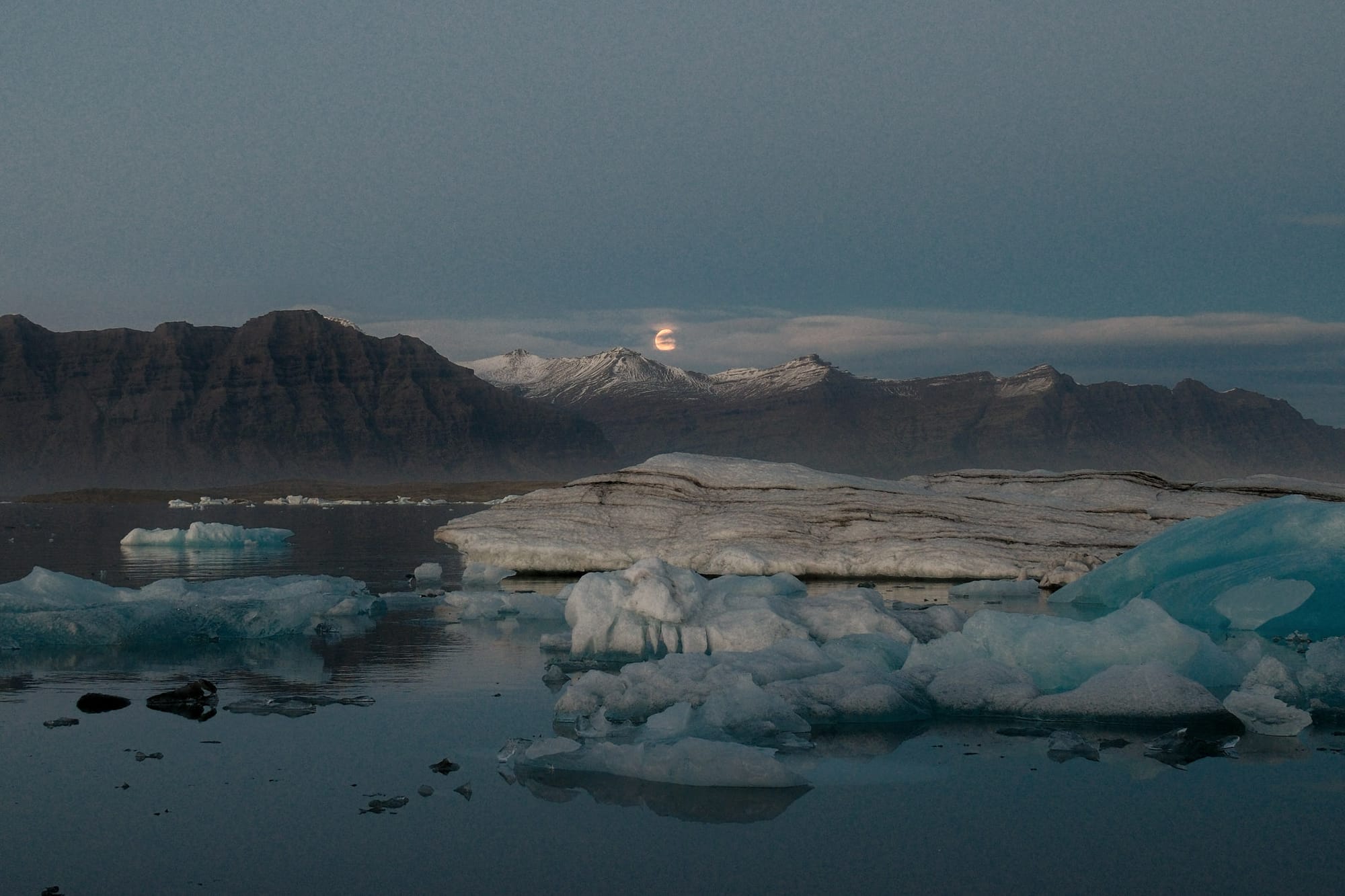
The idea, at first, seemed simple: Iceland in the off-season. Ideas always seem simple. But my recent Google search – What to Do in Iceland in October – returned one word, repeated infinitely, with little to no variation:
Nothing.
A moment later, concern now steadily building, I searched more broadly: Visiting Iceland in October. The answer was, again, painfully simple:
Don't.
I continued searching for something good. I loaded query after query into Google and prompt after prompt through every AI I could get my hands on (I only have two hands: Claude and Grok) and scoured every travel blog and Reddit thread the old-fashioned way: with my own eyes.
Finally, a beacon of hope deep in a pros and cons list only the truly hopeless would find. The cons heavily outnumbered the single pro:
'Pros: No crowds'
Absorbing the knowledge of infinite search results had alleviated no fears. In fact, the more I knew the worse I started to feel. I became incredibly acquainted with one word – terrible – and many of her synonyms.
Because Iceland in October, it turns out, is described as: bleak, dreary, miserable, and a struggle.
It is a place with weather that consists solely of rain and snow which is often described as: sideways, constant, endless. I was being promised a miserable time.
But that knowledge all came too late. As the saying goes, 'experience is what you get just after you needed it.' Months earlier, I decided alongside Grace, her sister Sophie, and Sophie's husband Caleb on what we thought was a brilliant plan.
We could all take a weeklong break from work at the end of October.
And flights to Iceland looked awfully cheap.
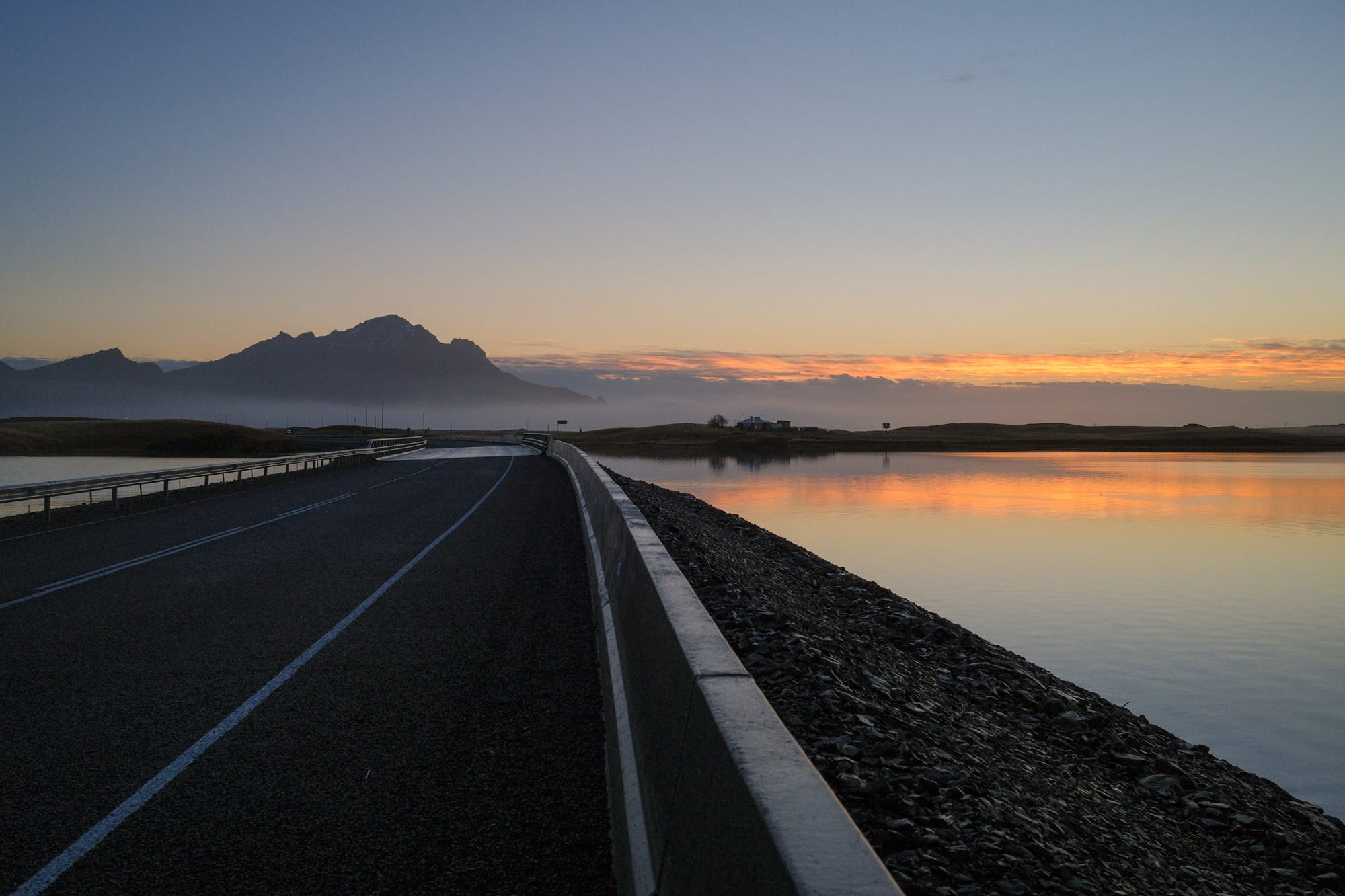
That seemed like a pro at the time. But now it seemed like a con. Overly warned, I texted Caleb and told him what I had found. I watched his text bubble wiggle. Openly, I voiced concerns: what had we signed up for? (His bubble was still wiggling.) Secretly, eagerness grew. I prepared to encourage and to goad. I wanted a beautiful trip, but a memorable, miserable adventure isn't a bad backup. Some of the greatest memories are always the ones that incorporate the possibility of a decent amount of suffering. (His bubble stopped wiggling and disappeared.)
And we had definitely walked into that possibility. Caleb eventually replied as though reading my mind and stated that no matter what Iceland showed us, we would be entertained – either by her greatness or by hiding in our car watching Clarkson's Farm.
So we agreed, and the call was made: we were going.
Many people do a loop of Iceland in seven days, but we decided to meander across the south coast at a much slower pace. It is easy enough to blast through somewhere new, to gawk at a sight and speed by it never to observe it again. That's how I did it for many years.
But I'm a bit older now. If we chose that speedy method would we ever come to notice the flight path of the birds, assuming Iceland had them, or move slowly enough to notice the frost on the grass? Would a loaded itinerary include space for a picnic alongside a riverbank dotted with horses, or even enough time for the clouds to part and the northern lights to waft back and forth?
Probably not.
Our goals were simple: if the weather was terrible, we would push a bit further every day. If it wasn't... we didn't really have a plan for this. We'd probably stare in amazement. But assuming – quite delusionally – that the weather was going to be good, I organized our accommodations so that each stop was only a few hours east of the last so we had plenty of time to wander.
The type of wandering I like best typically requires a vehicle. After spending so many months in cities dominated by public transit, I had recurring visions of something incredible: a classic 'super jeep', which is Icelandic for a truly beautiful vehicle: a V8 Land Cruiser on 35" (or larger, up to 46") tires, with a snorkel, built for water crossings in the Icelandic high country.
This seemed to be the obvious choice, a callback to my truck which has sat at home for 5 months now. Until I remembered that I have driven in snowy and icy conditions only once. In Utah three years ago, I nearly slid off a cliff into a tree at 3mph.
No, a tempting V8 on 35" tires would be insane (and not fuel efficient).
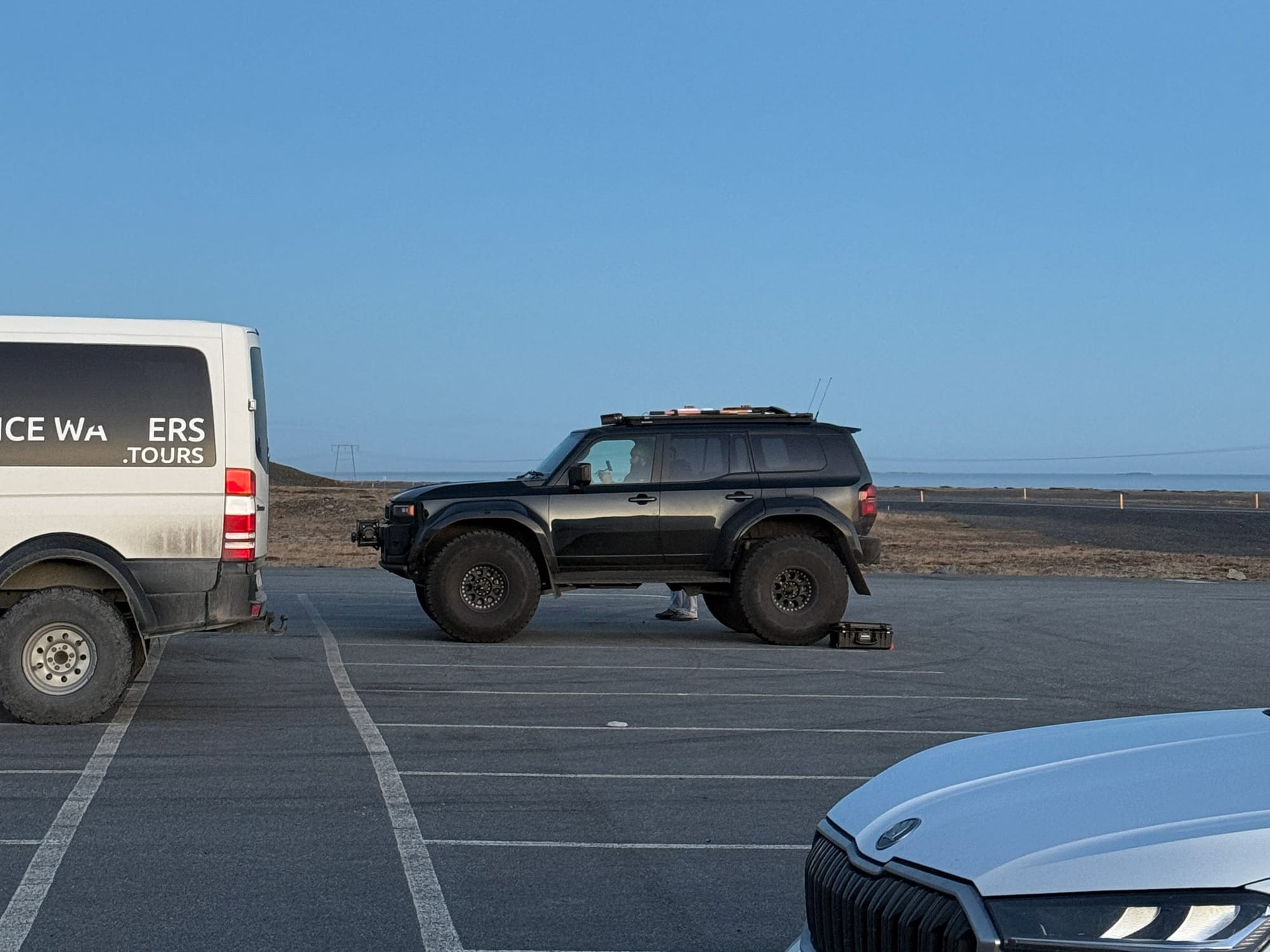
Plus, the promised death by a million hurricane-speed snowflakes called for something more intentional than brute. I looked around. Listed online alongside a silver super jeep sat many other options, including Subaru Foresters.
And I couldn't shake a tiny bit of nudging intelligence: what I needed was honestly a Subaru Forester. Room for four and a suitcase, a light on the dash that told me when the road was probably icy ('Ice'land + sliding into trees at 3mph + a flashing warning light = perfect for a South Carolinian), and a heated steering wheel.
Eventually, that is what I chose.
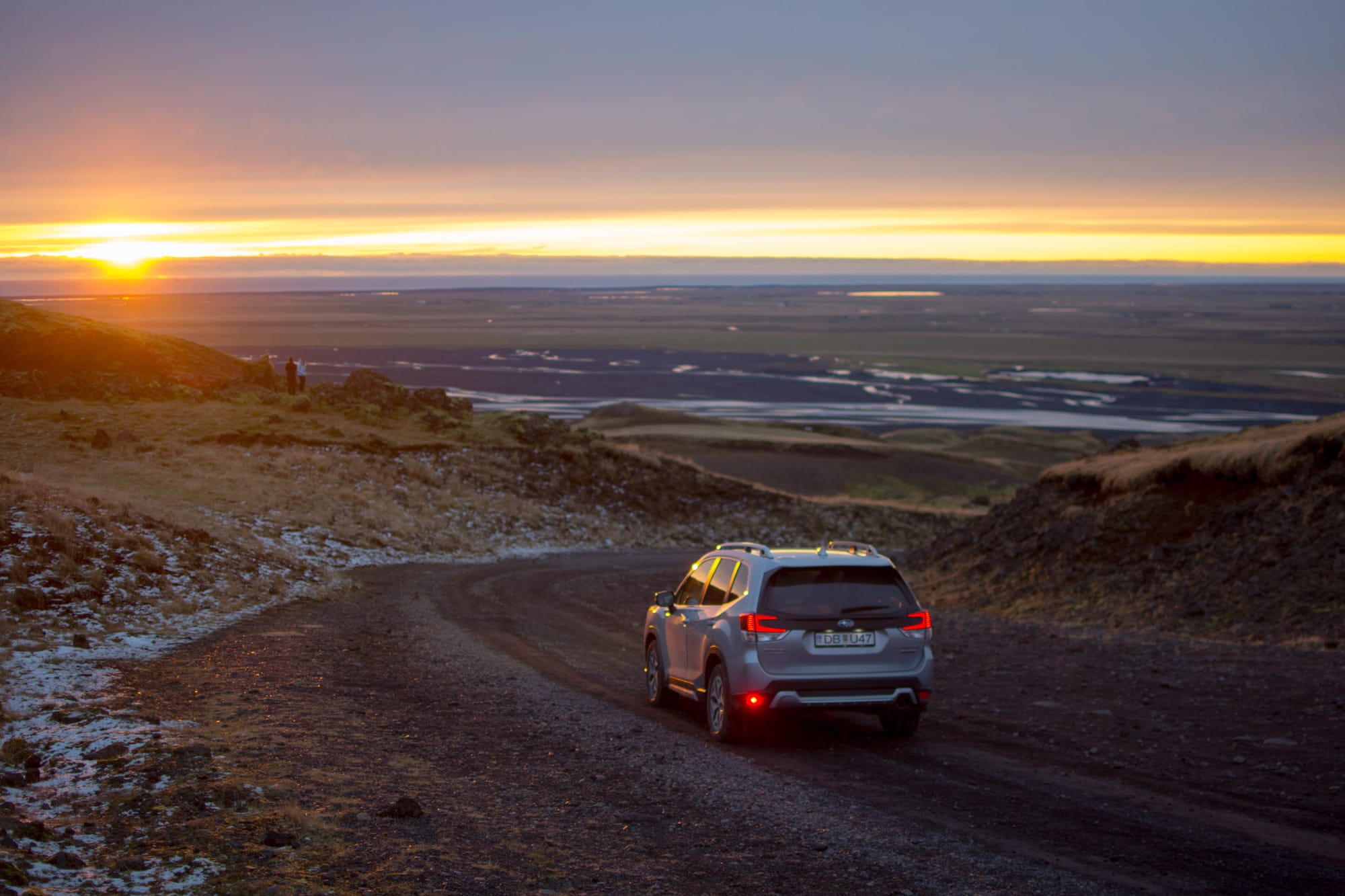
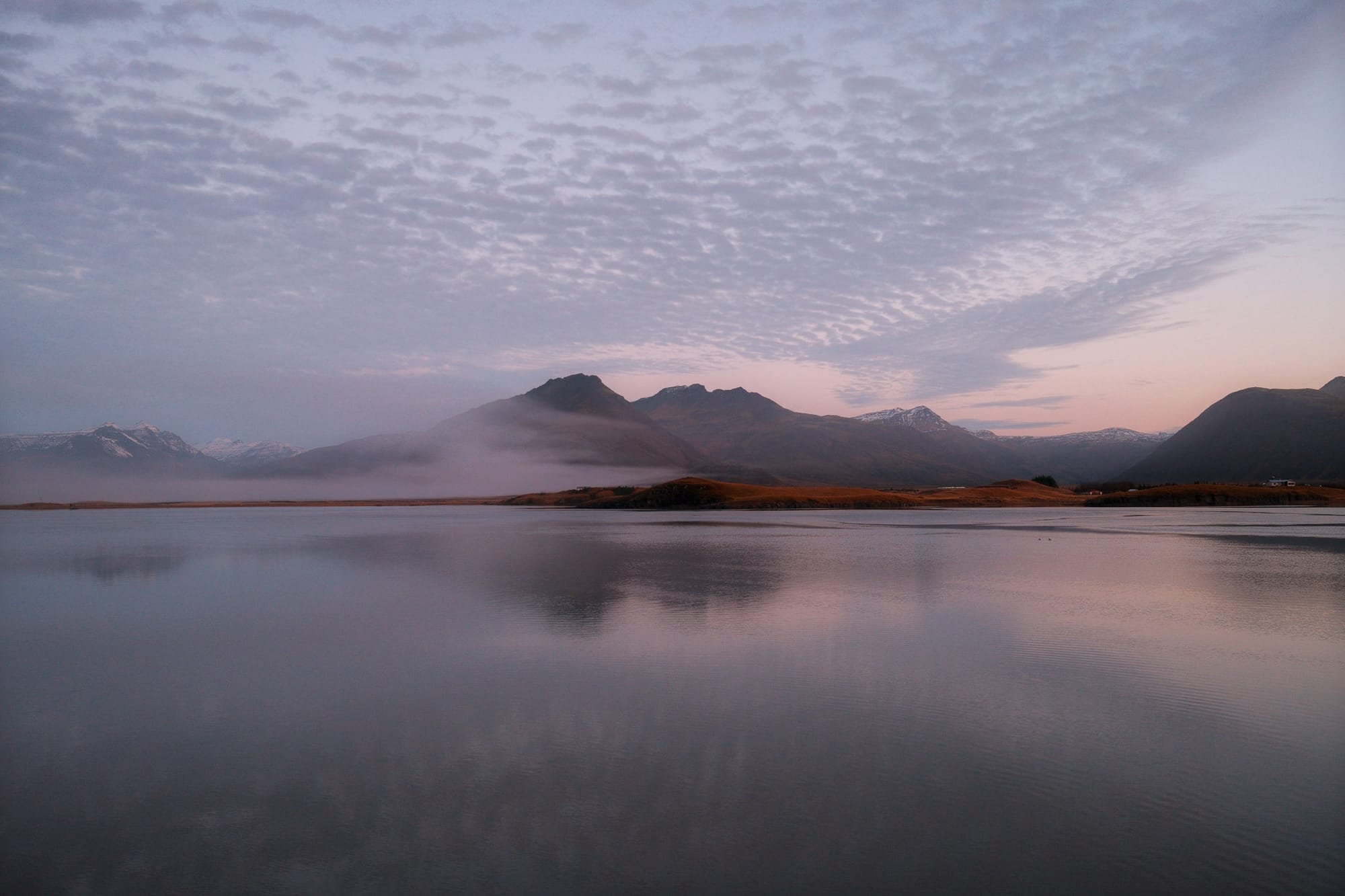
Yet terror and misery seemed distant for most of our trip. Day after day we found ourselves staring through the windshield in shock: we could actually see the world around us.
Every single night, exhausted from chasing the sun rising over icebergs and then climbing some ridge to watch it set over the ocean, we stared at the forecast over a cup of tea. And every single night, we thought our luck had run out. Shockingly, against all of the internets wisdom, most nights it didn't.
Except for one evening, when it did.
Racing back west, a near-infinite horizon became engulfed within 15 minutes by dark clouds. The gusts picked up too; our trusty Forester began getting tossed back and forth between white lines.
Then, for a split moment, I felt as though I was back home as though the outer bands of a hurricane approached: we drove into a wall of water falling sideways, and I experienced the very thing I had read about yet completely forgotten.
In a sort of brutal struggle, the wipers automatically sped up to match the rain. In response, the rain fell harder. And louder. Every drop became less tink and more thud. Ultimately, we pulled off the road and into our hotel parking lot. Hail and freezing rain began to fall just as I pulled up to the front door.
We all sat in astonishment. The travel blogs had terrorized (they always do), but they hadn't completely lied. And the video of my friend Jordan standing in front of his van window in this same area, which had been smashed by flying rocks a month earlier, no longer seemed extravagant.
I walked inside slightly amazed. The receptionist wasn't. All she said was, 'You can't park there.'
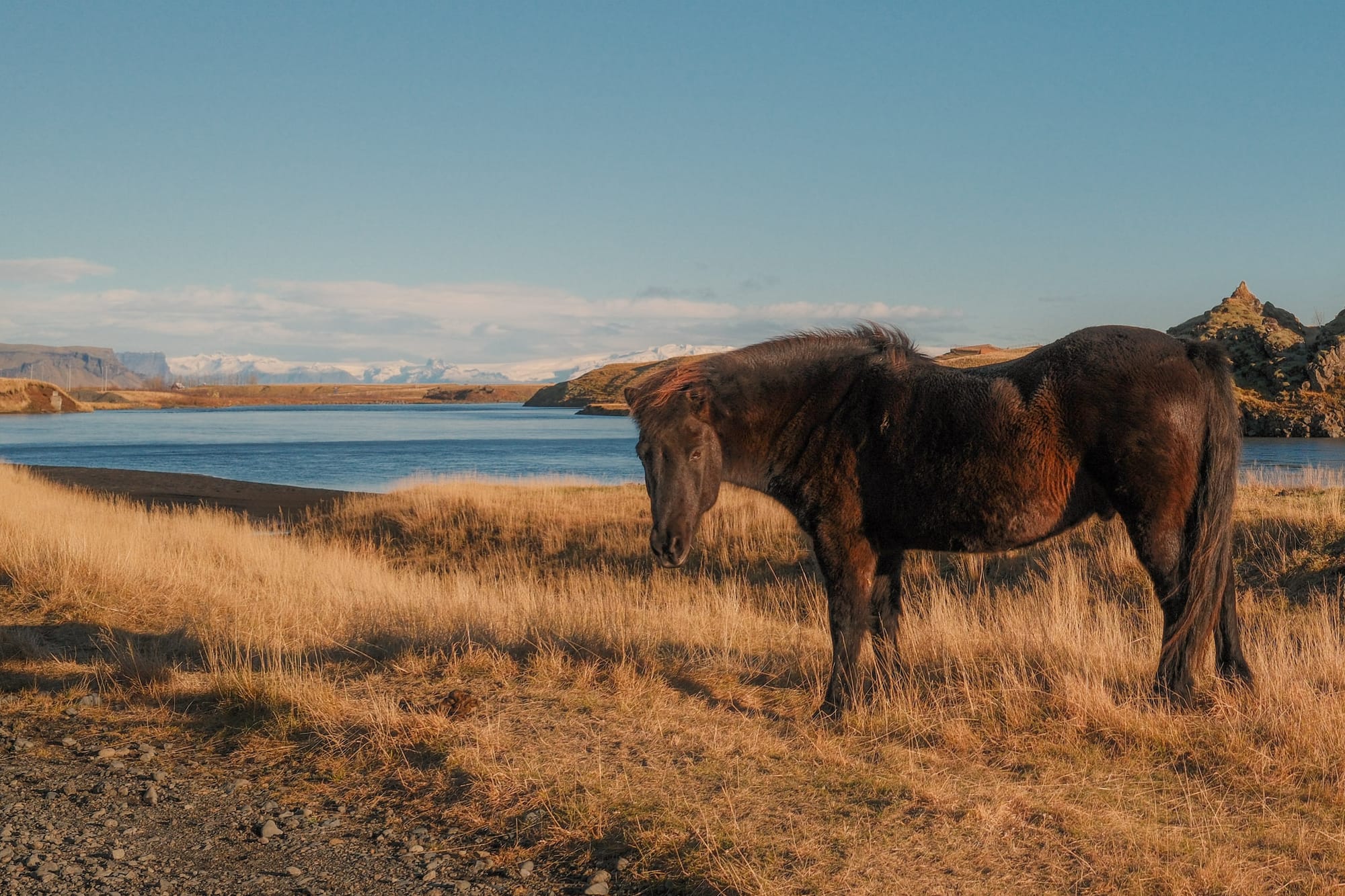
There were moments during my week in Iceland that seemed so contrarian: expecting terror, we actually found peace. Preparing for storms, we found plenty of smooth weather. (Mostly.) The memories of the landscape would be unrivaled – except that they are tainted by genuinely abominable Icelandic hotdogs, of which Caleb and I ate ten in one sitting.
But that only sets the scene.
Because what sticks with me today is staring up at the Aurora Borealis from a hottub on the roof of a hostel with 8 other people as the owner runs onto the deck and says with excitement, 'Oh, you guys see it!'
Or watching for an hour as icebergs flow down a river and wash up onto the beach. And soon standing on them with Grace as waves came rolling in to see if we could stay dry (we didn't).
There are so many more moments like those that I'll be writing a second letter with a more detailed trip report: where we went, what we noticed, and what we learned. But in reminiscing, I've thought an awful lot about taking a chance.
I think about my own life and see nothing but what appear to be questionable decisions. Big, small. Alone, they are stupid. In a series, they are absurd. I set out on my first roadtrip never having camped before. I went backpacking in Alaska with strangers before I had ever slept in a tent. I got married after dating for six months, and I drove to the Arctic Circle alone. I am working to write for a living.
And in Iceland, taking a chance did us quite well. In what was said to be seven days of straight torment, we found sunshine and zero days below freezing. That isn't every day of life though: I've spent quite a few nights miserably wet in a tent or freezing, hiding in my truck.
But those who have seen great weather and those who have seen poor weather have both experienced the weather, which is more than can be said by the one who prefers to hide from the possibility of a storm.
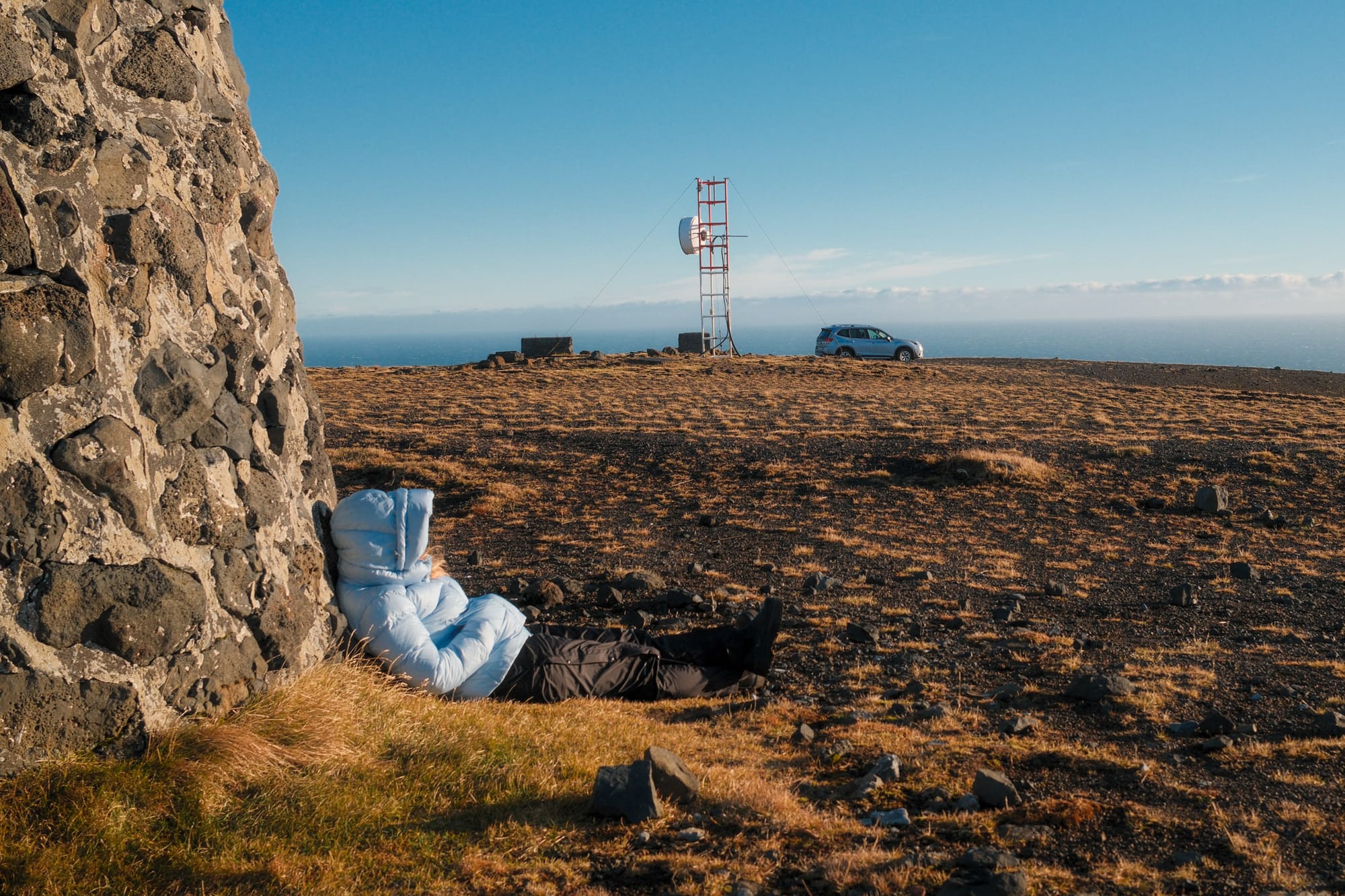
The older I get and the more I spend time to observe, the more I think that an aversion to risk is actually an aversion to living life. No God I've ever worshipped has promised a risk free life. In fact, almost explicitly the opposite.
This sort of fear shows up in the small choices that we might not even know we're making far more often than it does, say, deciding to go to Iceland. But those are actually the most important moments of them all.
It is choosing whether or not to engage with the old man in the coffee shop who looks lonely. It is choosing to work a job you dislike, not because it is the culmination of what you will become but rather because it enables you to be passionate about something more important (and there are many, many things more important).
It is choosing whether to take a financial risk and go somewhere far away and see what happens when the plane lands or the ferry docks or the road runs out. It is choosing to flesh out the business idea in the back of your head that very well may never turn a profit. It is making the choice to walk into a church. It is making the choice to not.
There is a world between pine trees and alpine zones and glaciers and sand dunes not just in Iceland but across the entire planet – including, I guarantee, steps from where you are now – dominated not by aversion to risk, but by a Creation which rises each day with the sun and never fails to ask, with genuine hope, "What next?"
So if you never remember anything I write, at least try to remember this and consider tattooing it on your knuckles:
If you want to see what is possible, get Out There.